Shape of the alliance
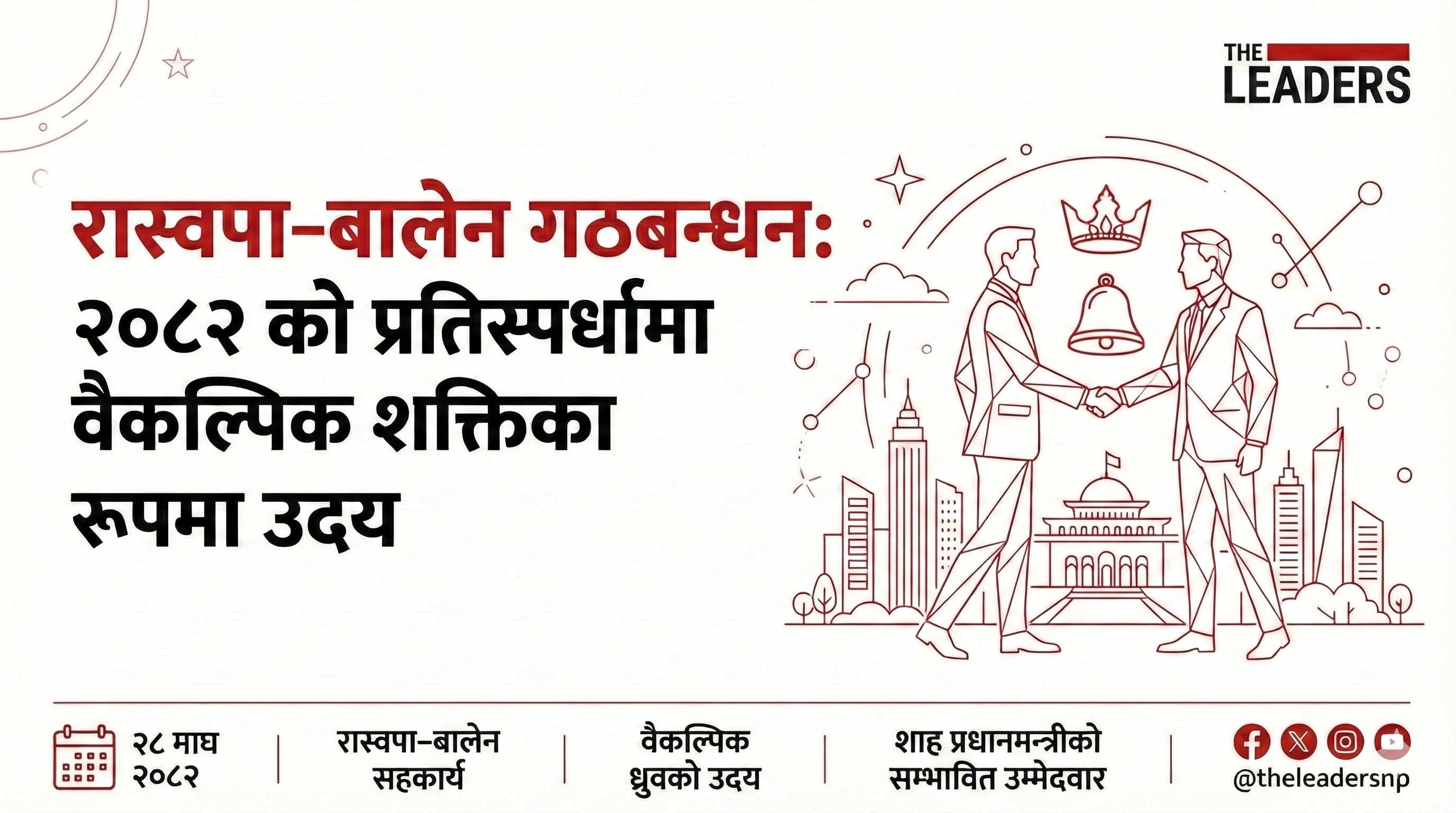
Coverage in Nepali and international media has detailed an agreement under which Rabi Lamichhane continues to lead the Rastriya Swatantra Party, while Balendra Shah is projected as the alliance’s candidate for prime minister if they secure a parliamentary majority. The deal attempts to combine Lamichhane’s party structure with Shah’s outsider appeal built during his Kathmandu mayoral run.
Challenge to established parties
Both leaders rose to prominence outside traditional party hierarchies, positioning themselves as anti-establishment figures. Their alliance seeks to channel public frustration over corruption, unemployment and governance failures that fuelled recent protests. Traditional parties have questioned their experience and readiness, but have also had to recalibrate messaging to respond to the new pole.
Electoral significance
The alliance’s performance will be closely watched in urban constituencies and among first-time voters. Even if it falls short of forming a government, a strong showing could reshape coalition equations after March 5, forcing larger parties to negotiate differently on policy and power-sharing.