A generation shaped by crisis
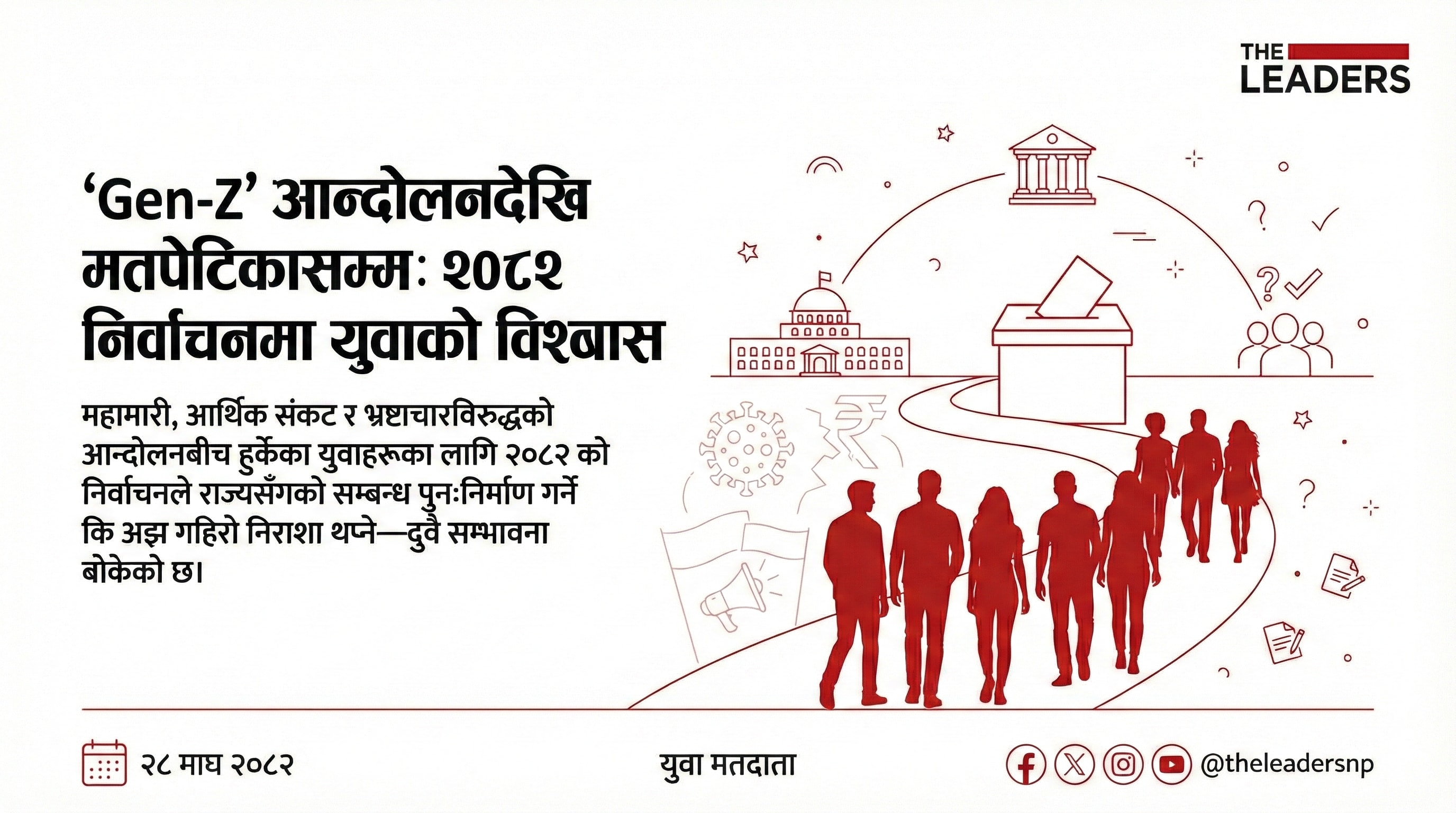
The youth who will vote in the March 5, 2026 election have come of age amid overlapping crises: a bruising pandemic, economic hardship, and a political system widely perceived as unresponsive. The Gen-Z uprising that forced the resignation of the previous government was not an isolated outburst, but the culmination of long-simmering frustration with corruption, patronage and impunity. Many of the demonstrators killed or injured were under 30, leaving deep emotional and political scars.
What has changed since the protests?
On the surface, several changes are visible. An interim government led by a non-partisan former chief justice is overseeing the run-up to the polls. The Election Commission has expanded voter registration and reinforced the code of conduct. Political parties, sensing the mood, speak more frequently about youth, ethics and internal reform. New platforms and alliances claiming the Gen-Z mantle have entered the race.
But beneath these visible shifts, the core questions remain open. Have party candidate lists genuinely made room for younger and more diverse leaders, or mostly recycled familiar faces? Are corruption cases that triggered the protests being pursued in courts, or quietly shelved? Has the security sector reformed crowd-control practices that led to lethal force being used against demonstrators? For many young voters, trust will hinge less on slogans and more on credible answers to these questions.
Youth as swing voters, not a monolith
Commentary often treats ‘youth’ as a single bloc, yet the reality is more complex. Urban, educated voters who organised protests in Kathmandu and major cities may prioritise transparency, digital governance and civil liberties. Young people in rural districts or labour migration corridors may focus more on jobs, migration costs, and access to basic services. Some will look to new parties for a clean break, while others may favour reformed mainstream forces that can deliver stability.
This diversity means that no single party can assume ownership of the Gen-Z narrative. Attempts to speak on behalf of ‘the youth’ without listening to their varied experiences risk backfiring. Instead, parties that invest in issue-based engagement—through campus dialogues, local forums and online platforms—are more likely to build durable support.
The role of the Election Commission
For the Election Commission, youth trust will depend on both procedures and perception. On the procedural side, accurate voter rolls, accessible polling centres, impartial staff and transparent counting are foundational. Young first-time voters who encounter long queues, confusing ballots or disrespectful treatment may carry that memory for years. On the perception side, visible fairness—such as acting on complaints regardless of which party is involved—will shape whether youth see the commission as an ally or as part of the status quo they challenged.
The commission’s efforts to counter disinformation are particularly relevant for younger voters who consume news primarily online. Clear, timely and visually accessible information about where and how to vote, what identity documents are needed, and how results will be published can help reduce confusion and rumours.
After the election: the harder test
While high youth turnout would be an important signal, the harder test begins the day after the results are announced. If the next government and Parliament treat young people merely as a mobilised vote bank, rather than as partners in shaping policy, disappointment could quickly return. Concrete steps—such as transparent appointments, open recruitment processes, progress in high-profile corruption cases, and meaningful consultation on education and employment policies—will be closely watched.
Civil society and independent media will also play a critical role. They can track whether campaign promises on youth issues are being translated into budgets and laws, and they can provide platforms for sustained youth engagement beyond street protests. The Leaders aims to contribute by following a cohort of first-time voters across the election cycle, documenting how their expectations evolve.
A chance to rebuild the social contract
The 2026 House of Representatives election offers a chance, but not a guarantee, to repair the damaged relationship between young citizens and the state. If institutions deliver a peaceful, credible vote and the next government shows early signs of responsiveness, trust could slowly recover. If, instead, the election is marred by violence, manipulation or business-as-usual politics, the sense of betrayal may deepen.
In that sense, March 5 is not only about which parties win how many seats. It is also a referendum on whether Nepal’s democratic system can learn from the Gen-Z uprising and adapt, or whether it will repeat old patterns under new slogans. Young voters will be at the centre of that verdict.