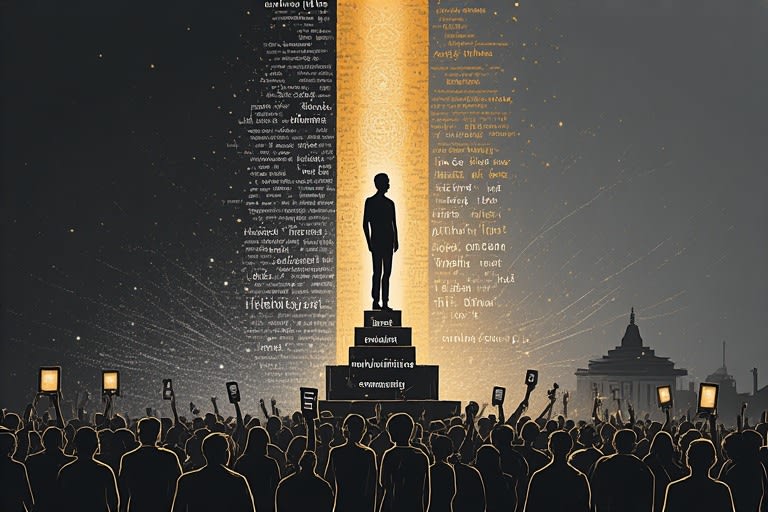
What makes someone a leader? This question has captivated thinkers and ordinary people for centuries. From ancient kings to modern executives, from spiritual guides to activists, leadership shapes how societies survive, change, and imagine their future.
At its core, leadership is a relationship, not a title. A person may hold office, but people experience leadership only when three things come together: there is a clear direction, people understand how they fit into it, and they freely commit their effort. When citizens describe leaders they admire, they rarely start with job titles. They talk about character: someone who stands firm in crisis, thinks before acting, and carries responsibility when others are afraid.

Psychology adds that self‑control strongly shapes how leader‑like a person appears. Someone who does not panic, does not overreact, and keeps long‑term goals in mind tends to be seen as more competent and trustworthy. In simple terms, a person who can govern themselves feels more qualified to help govern others.
Across countries, people name similar qualities when asked what makes a good leader. They want honesty and integrity: leaders who say what they mean, keep promises, and do not live double lives. They want clear and respectful communication: leaders who explain decisions in plain language and listen seriously. They want competence and discipline: leaders who understand issues and stay steady under pressure. They also look for fairness, respect for different groups, and the ability to work with others rather than rule alone.
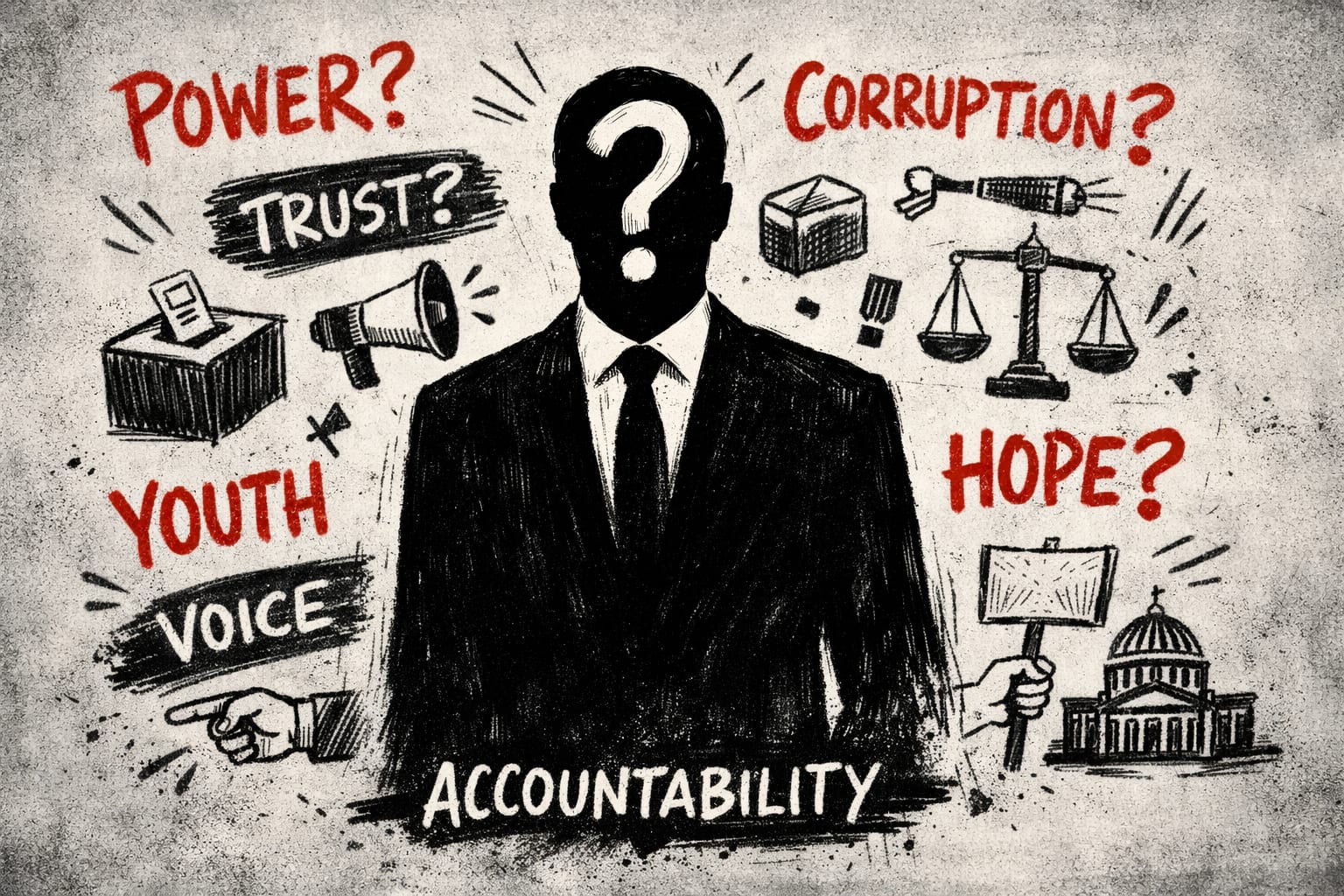
At the same time, trust in leaders and public institutions is fragile in many places. People often feel that governments are slow, opaque, or self‑serving. This pushes citizens to pay close attention not only to results but also to how decisions are made: whether processes are open, inclusive, and just. When these qualities are missing, people may obey authority, but they do not recognize true leadership.
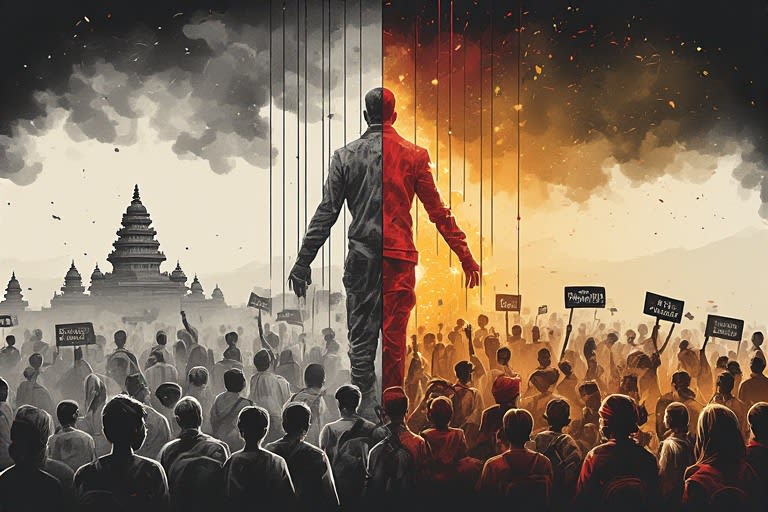
In Nepal, global ideas about leadership meet local history and culture. Many Nepalis still judge leaders through the lens of dharma: are they righteous, fair, and willing to carry responsibility for others? A leader is expected to act as a guardian of community and culture, someone who can hold together many castes, languages, and faiths without trying to erase their differences. People value honesty, ability, accountability, and also a “good heart” and closeness to ordinary life.
Research in Nepal, however, shows a large gap between this ideal and reality. Trust in political parties, ministers, and parliament is often low, even when support for democracy as a system remains. Many citizens feel that leaders use office to benefit their networks instead of serving the public. People say they want capable, clean leadership but doubt that existing elites will deliver it.
For young Nepalis, especially Gen Z, frustration is intense. They grew up after the war, during years of transition and new constitutions, yet see limited progress on jobs, fairness, and governance. Many associate “leaders” with broken promises and corruption. They now look for different qualities: personal cleanliness from corruption, transparency, courage to challenge old patronage networks, practical competence, and inclusion of women and marginalized communities.
The youth‑led protests of 2025 made these expectations visible. Young people refused to accept social media bans and unaccountable rule. They used digital tools not just to protest but also to organize and suggest preferred interim leadership. In doing so, they were not rejecting leadership itself—they were rejecting a style of leadership that serves itself rather than citizens.
If we link philosophical debates, psychological research, global surveys, and Nepali experience, a citizen‑based picture of leadership emerges. A leader is not only someone with authority, but someone whom others are willing to trust with their shared future. A leader is not only effective in getting results, but also careful to achieve them in fair, transparent ways. A leader is not only bold and ambitious, but also able to control their own greed, anger, and fear before trying to guide others.
Seen from below rather than from the podium, leadership is the slow, fragile work of earning and re‑earning legitimacy. Titles can be granted from above, but leadership in the eyes of citizens is granted from below, through trust built over time and lost quickly when promises are broken.
What part of this definition do you most want to expand next for your site: the philosophical core, the global citizen view, or the Nepali youth perspective?